
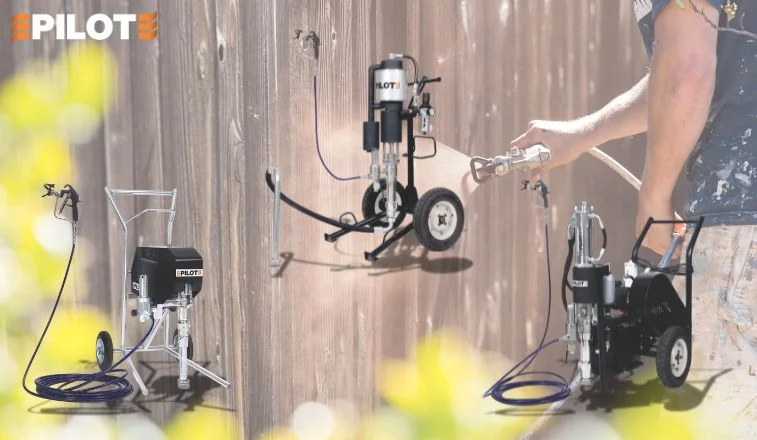
When it comes to painting large surfaces quickly and efficiently, airless sprayers have become a popular choice for both professionals and DIY enthusiasts alike. These machines, which work by spraying paint under high pressure without the use of compressed air, offer numerous benefits, making them a valuable tool for a variety of painting projects. However, like any equipment, airless sprayers come with their own set of limitations. In this blog, we will explore the advantages and disadvantages of using airless sprayers, helping you decide whether they are the right choice for your next painting project.
What is an Airless Sprayer?
An airless sprayer is a type of paint sprayer that uses a high-pressure pump to force paint through a small nozzle, turning it into a fine mist or spray. Unlike traditional paint sprayers, which rely on compressed air to atomize the paint, airless sprayers do this without any air at all. This technology allows for faster application and a smoother finish, making it ideal for large-scale projects such as home exteriors, fences, and commercial spaces.
Benefits of Using Airless Sprayers
1. Fast and Efficient Application
One of the most significant advantages of using an airless sprayer is its speed. These sprayers can cover large areas in a short amount of time, making them perfect for big projects. Unlike rollers or brushes, which require multiple coats and take time to cover the same surface, airless sprayers deliver an even coat in less time. This is particularly beneficial for professionals working on tight deadlines or homeowners who want to finish a project in a weekend.
2. Smooth, Even Finish
Airless sprayers provide a smooth, flawless finish that is hard to achieve with traditional methods. The high-pressure system breaks the paint into small droplets, ensuring an even application without the brush strokes or roller marks that can sometimes be visible with other methods. This makes them ideal for surfaces that require a professional-looking finish, such as cabinets, furniture, and exterior walls.
3. Less Waste of Paint
Airless sprayers are more efficient at applying paint compared to brushes or rollers, which often waste excess product. The high-pressure system used by airless sprayers ensures that the paint is atomized and applied evenly, minimizing overspray and reducing the amount of paint that ends up on the floor or in the air. This means you can cover more surface with less paint, making airless sprayers a cost-effective solution in the long run.
4. Versatility
Airless sprayers can be used for a wide range of painting projects. Whether you’re painting walls, ceilings, furniture, or even intricate surfaces like fences and trim, an airless sprayer can handle it all. Some models come with adjustable pressure settings, allowing you to change the spray pattern depending on the type of project you’re working on. With the right nozzle, you can even spray a variety of coatings, from thin stains to thicker paints and primers.
5. Less Physical Effort
Using an airless sprayer can reduce the amount of physical effort required for painting. Unlike using a roller, which requires constant pressure and movement, airless sprayers require less effort to achieve full coverage. This makes them a good choice for people with limited mobility or those working on large surfaces, as they can reduce the fatigue often associated with traditional painting techniques.
Limitations of Using Airless Sprayers
1. Initial Cost
One of the primary drawbacks of airless sprayers is their upfront cost. While basic models can be affordable, high-quality, professional-grade sprayers can be expensive. For individuals who only plan to use the sprayer occasionally, this cost may not be justifiable. However, for professionals or frequent DIYers, the investment can pay off in terms of time saved and the quality of the finish.
2. Learning Curve
Using an airless sprayer is not as simple as it might seem. There is a learning curve involved, particularly when it comes to adjusting the settings for different surfaces and types of paint. New users may experience issues with overspray, uneven application, or clogging if they do not familiarize themselves with the machine’s operation. Thankfully, many airless sprayers come with user manuals and online tutorials to help users learn the ropes, but it may take a bit of practice to master.
3. Cleanup Time
Cleaning an airless sprayer can be time-consuming, especially when working with thicker paints or coatings that can clog the machine. The sprayer needs to be thoroughly cleaned after each use to prevent residue buildup, which can affect the performance of the sprayer. While this is an important part of maintenance, it is something to consider, especially if you’re working on multiple projects in one day.
4. Overspray Issues
While airless sprayers are efficient in terms of paint application, they can create overspray, especially in windy conditions. This can lead to paint settling on unintended areas, such as windows, plants, or outdoor furniture. To prevent overspray, it is essential to cover surrounding areas with drop cloths or painter’s tape. Even with proper precautions, there is still a risk of paint getting on surfaces that you don’t want it on.
5. Noise Levels
Airless sprayers are typically louder than other types of paint applicators, such as rollers or brushes. This can be a concern if you’re working in a residential area or need to work in a noise-sensitive environment. While ear protection can help mitigate this issue, the noise generated by an airless sprayer can still be disruptive, especially during prolonged use.
Conclusion
Airless sprayers are an excellent choice for those looking to save time, achieve a professional finish, and tackle large painting projects with minimal physical effort. They offer numerous benefits, including speed, efficiency, and versatility, making them a go-to option for professionals and DIY enthusiasts alike. However, they do come with certain limitations, such as the initial cost, learning curve, and the need for proper maintenance.
By understanding these pros and cons, you can determine whether an airless sprayer is the right tool for your next project. If you’re willing to invest the time to learn how to use it properly and take care of the machine, an airless sprayer can be an invaluable asset for any painter.
FAQs
1. What is an airless sprayer?
Answer: An airless sprayer uses high-pressure pumps to spray paint without the need for compressed air. It atomizes paint into a fine mist, providing an even and smooth application.
2. What are the advantages of using an airless sprayer?
Answer: Airless sprayers are faster, more efficient, and provide a smoother finish compared to traditional painting methods like rollers and brushes. They also reduce paint wastage and minimize physical effort.
3. What surfaces can I paint with an airless sprayer?
Answer: Airless sprayers can be used on a wide range of surfaces, including walls, ceilings, furniture, fences, trim, and even intricate areas. They work well with both thin and thick paints.
4. Do airless sprayers work with all types of paint?
Answer: Yes, airless sprayers are compatible with most types of paint, including latex, oil-based, primers, stains, and even heavy coatings. You may need to adjust the pressure or nozzle size for thicker paints.
5. Are airless sprayers suitable for DIY projects?
Answer: While airless sprayers are primarily used by professionals, they are also suitable for DIY projects. However, there is a learning curve involved, and practice is necessary to achieve optimal results.
Recent Comments