
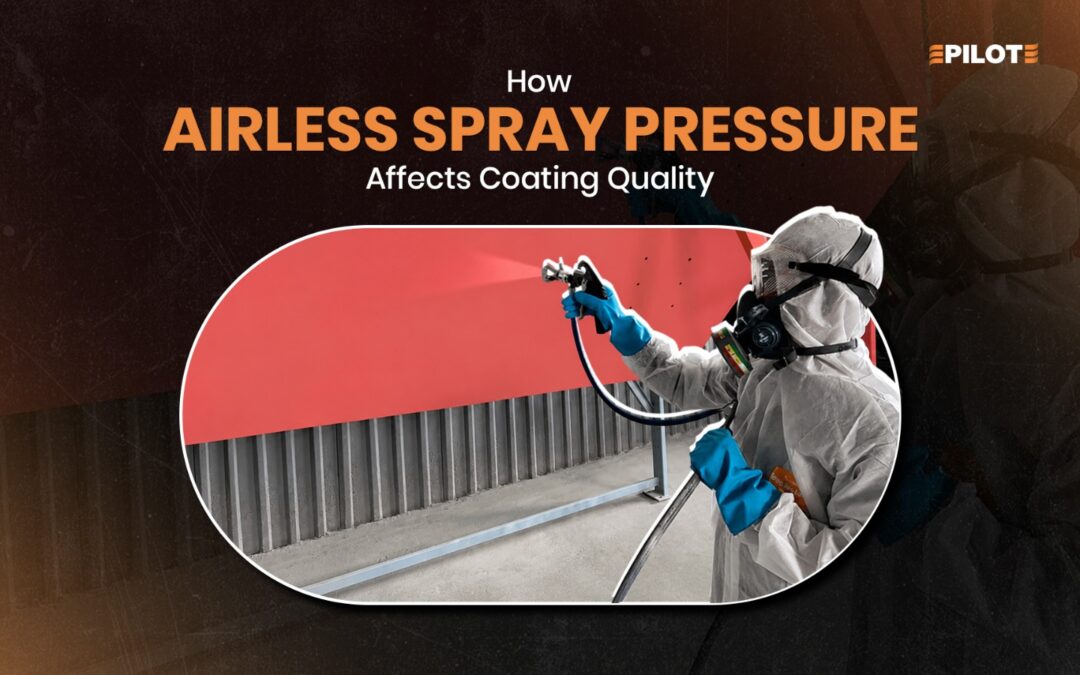
Achieving a smooth and consistent coating finish depends on several factors, and one of the most important is airless spray pressure. Whether you are working on industrial painting, protective coatings, construction projects, or large surface applications, the pressure setting of your airless spray equipment can directly impact the final result.
Too much pressure can create overspray, uneven coverage, and wasted material, while insufficient pressure may lead to poor atomization and an inconsistent finish.
With professional solutions from Pilot Airless Spray, businesses can access airless spray systems designed for efficient and precise coating applications.
What Is Airless Spray Pressure?
Airless spray pressure refers to the force used by an airless spray machine to push coating material through a spray tip at high pressure. Unlike traditional spray methods, airless spraying does not use compressed air to atomize the coating. Instead, it relies on hydraulic pressure to break the coating material into fine particles.
The pressure level affects:
- Spray pattern
- Material distribution
- Coating thickness
- Surface finish
- Material consumption
Finding the correct pressure setting is essential for achieving professional coating results.
Why Airless Spray Pressure Matters for Coating Quality
The main goal of any coating application is to achieve a uniform finish with proper coverage.
Correct airless spray pressure helps ensure:
- Smooth application
- Consistent coating thickness
- Better surface appearance
- Reduced material wastage
- Improved productivity
For industrial applications, maintaining proper pressure is especially important because coating failures can lead to additional labor, repairs, and increased project costs.
How Different Pressure Levels Affect Coating Results
1. Low Airless Spray Pressure
When pressure is too low, the coating material may not break down properly as it passes through the spray tip.
This can result in:
- Uneven spray patterns
- Poor atomization
- Heavy coating buildup
- Rough surface finish
Low pressure may also cause the spray gun to produce an inconsistent flow, making it difficult to achieve an even coating layer.
2. High Airless Spray Pressure
Increasing pressure does not always improve coating quality.
Excessive pressure can create:
- Overspray
- Increased material wastage
- Uneven coverage
- Excessive paint mist
- Faster equipment wear
High pressure can also cause the coating to dry too quickly before reaching the surface, affecting the final finish.
3. Correct Pressure Setting
The ideal pressure setting depends on several factors, including:
- Coating material thickness
- Spray tip size
- Surface type
- Application requirements
The right balance allows the coating material to spread evenly while maintaining efficiency.
Factors That Influence Airless Spray Pressure Selection
Choosing the correct pressure is not just about adjusting the machine. Several factors need to be considered.
1. Type of Coating Material
Different coatings have different thickness levels and application requirements. For example:
- Thicker coatings may require different pressure settings
- Thin coatings may need lower pressure for better control
Understanding the material being applied helps determine the appropriate pressure level.
2. Spray Tip Selection
The spray tip plays an important role in controlling coating application. A suitable spray tip helps manage:
- Spray width
- Material flow
- Coating thickness
Using the correct tip along with proper pressure settings improves overall coating quality.
3. Surface Application
The surface being coated also affects pressure requirements. Different surfaces may require adjustments based on:
- Texture
- Size
- Material type
- Project requirements
Large industrial surfaces may require different settings compared to smaller applications.
4. Equipment Performance
The quality and capability of the airless spray equipment also influence results. Reliable equipment helps maintain stable pressure and consistent performance throughout the application process.
Common Airless Spray Pressure Mistakes to Avoid
1. Increasing Pressure to Fix Spray Problems
Many users increase pressure when facing coating issues, but the actual problem may be related to the spray tip, material, or technique.
2. Ignoring Equipment Settings
Proper adjustment of equipment settings is important for achieving consistent results.
3. Using Incorrect Spray Equipment
Choosing equipment suitable for your application helps improve coating performance.
4. Not Maintaining Equipment
Regular maintenance ensures that airless spray systems continue to operate effectively.
Applications of Airless Spray Equipment
Airless spray systems are commonly used for:
- Industrial painting
- Construction coatings
- Protective coatings
- Large surface applications
- Commercial painting projects
Their ability to cover large areas efficiently makes them valuable for professional coating applications.
Why Choose Pilot Airless Equipment?
Selecting the right spray equipment is important for achieving reliable coating results. Pilot Airless Spray focuses on providing professional spraying solutions designed for demanding applications.
With quality equipment and proper pressure control, professionals can achieve:
- Improved coating consistency
- Better productivity
- Efficient material usage
- Reliable performance
Conclusion
Explore Pilot India’s complete range of industrial solutions, including Airless Spray Systems, Electric Airless Spray, Pneumatic Airless Spray and Electro Hydraulic Airless Sprayers designed to support efficient and precise operations.
Choose reliable equipment built for performance, accuracy, and long-term productivity.
Our Popular Industrial Equipments
Spray Gun | Welding Equipment | Power Tools | Office Products
Recent Comments